Saghata, Gaibandha, Bangladesh
+880 1328 90 40 86
sjksgaibandha@gmail.com
Changing Lifestyle
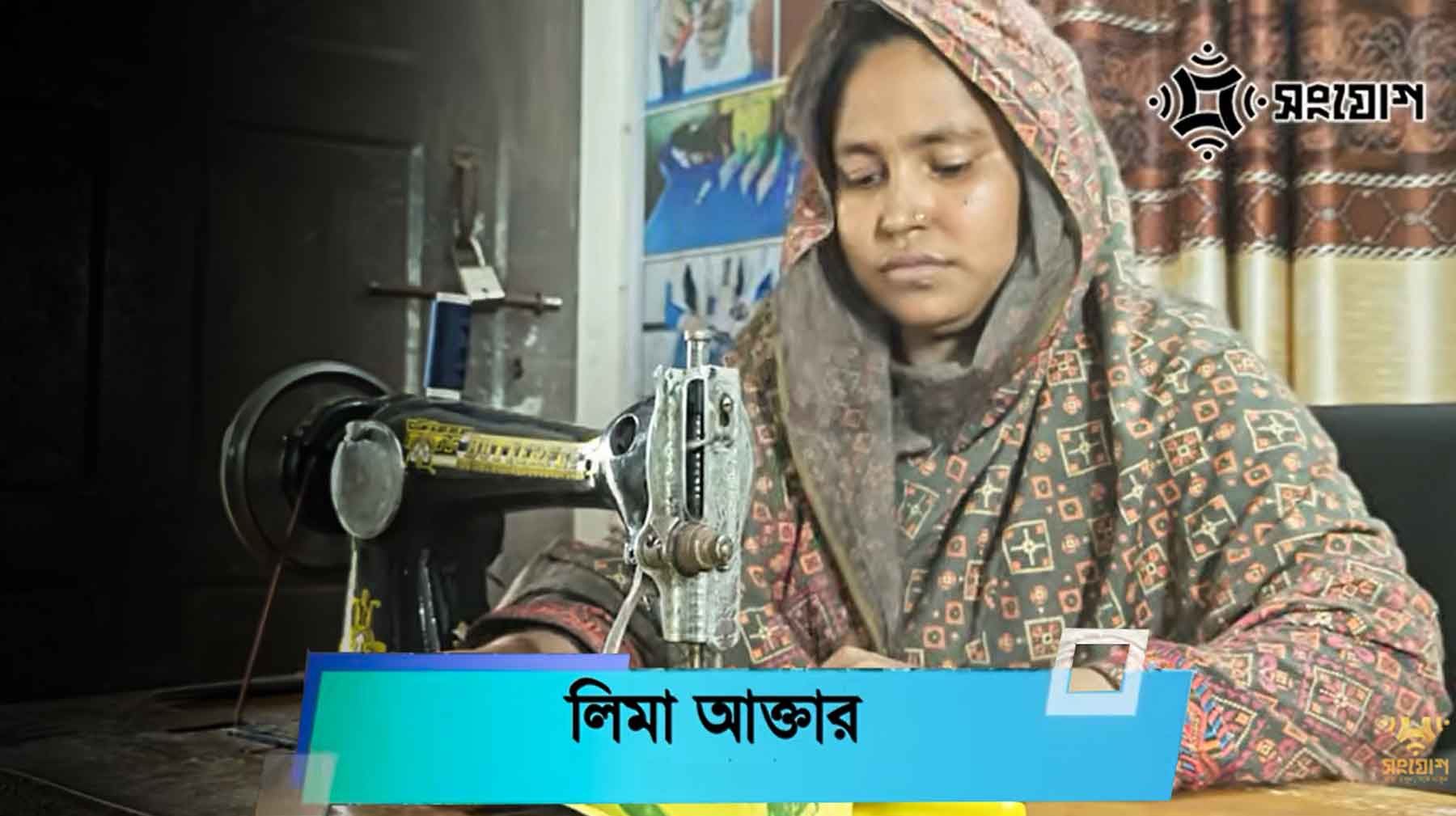
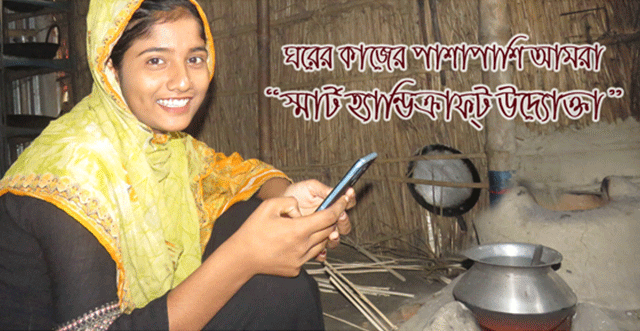
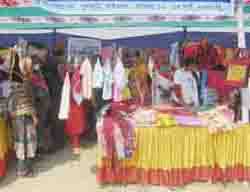
Over a hundred women have transformed their lives by becoming entrepreneurs while managing household duties and studies. They now contribute to family expenses and utilise previously idle time for income-generating activities, building self-reliance and a new sense of identity.
Entrepreneurship has changed their stories.
Survival is not my goal; living with dignity by realising my dreams is. With that purpose in mind, I am now able to contribute to my family through my income.
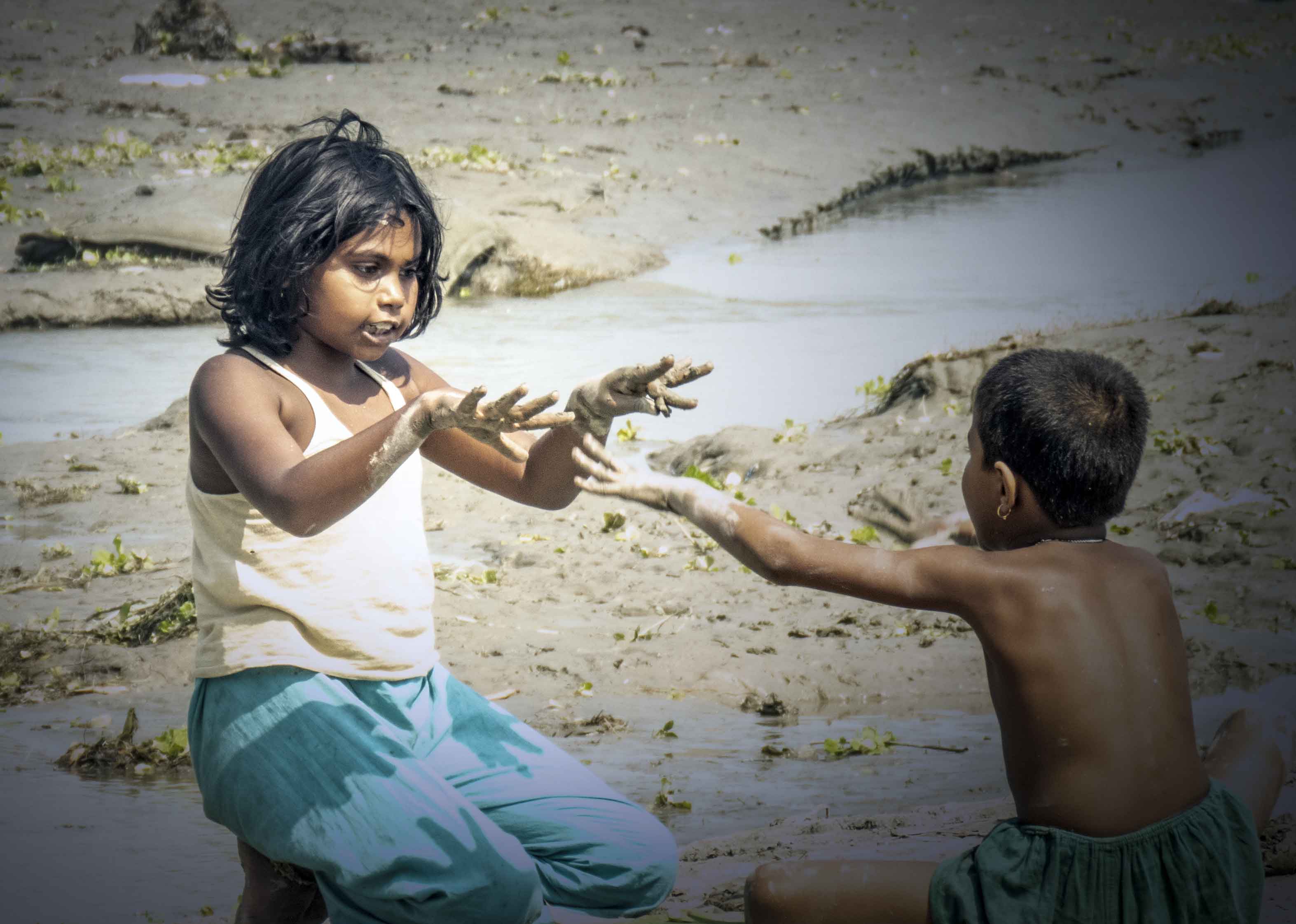
Children must be allowed to play for their mental and physical development. Academic education alone cannot shape a child into a well-rounded individual. So, let us not focus solely on studiesâlet children play.
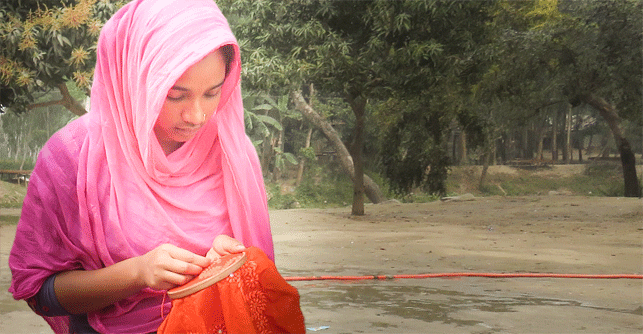
Through the power of handicrafts, she has transformed her life and secured a better future for her family.
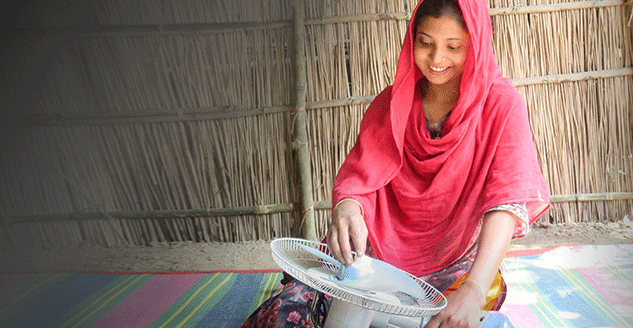
She makes electric goods to support her education and family expenses, helping her rise out of poverty.
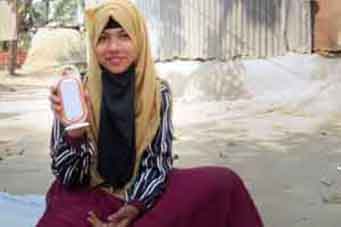
As a digital entrepreneur, she successfully balances income generation with her household responsibilities.
The Strategic Areas to which We Contribute
Since its establishment on October 15, 2021, in Kachuahat village, Saghata Upazila, Gaibandha district, SIRI has been dedicated to fostering a skilled and educated society. As a non-profit, social development NGO, SIRIâs goal is clear: "To enhance womenâs economic empowerment, eradicate hunger and poverty, and promote sustainable entrepreneurship."
In line with this vision, SIRI has recently launched several impactful projects aimed at addressing unemployment by equipping educated, unemployed youth and women, particularly those directly affected by climate change, with essential skills. These efforts enable marginalised communities to become Smart Handicraft Entrepreneurs by digitally marketing their handcrafted products.
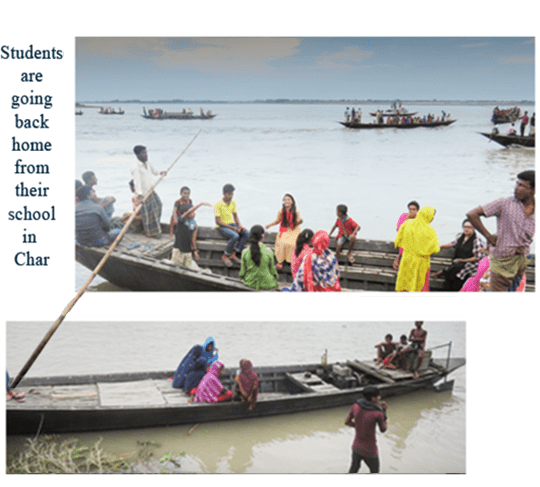
Additionally, SIRI has introduced innovative health and nutrition initiatives, specifically designed for vulnerable populations residing in char areas and along riverbanks. These projects focus on mitigating the risks and impacts of non-communicable diseases and combating drug addiction, with the aim of improving the overall wellbeing of these communities.
Stop Abuse, Child Marriage, and Child Cyberbullying
SIRI works to raise awareness among children, parents, guardians, and community members to prevent child abuse and sexual exploitation. Through a vital programme, SIRI also promotes blended learning, combining traditional educational methods with ICT-based learning to enhance childrenâs educational outcomes.
Ensuring the Rights of Ethnic Minorities
SIRI is committed to ensuring the rights of women from minority communities, including those belonging to specific castes, social outcastes, and the Dalit community. We actively engage these communities in social functions and festivals to enhance their visibility and ensure equal access alongside others in society. Both women and men are supported in improving their livelihoods and achieving a better quality of life.
Non-Communicable Diseases: A Growing Humanitarian Threat
Additionally, SIRI has introduced innovative health and nutrition initiatives, specifically designed for vulnerable populations residing in char areas and along riverbanks. These projects focus on mitigating the risks and impacts of non-communicable diseases and combating drug addiction, with the aim of improving the overall wellbeing of these communities.
Research Programme
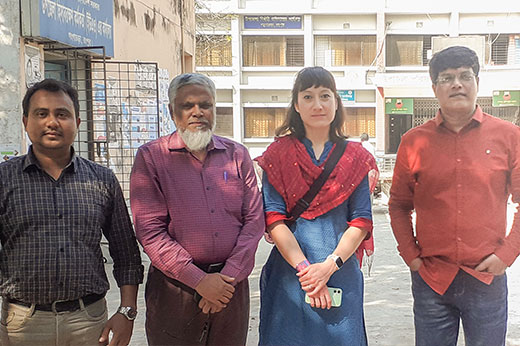
Currently, SIRI is engaged in research programmes focused on the digitisation of the Social Safety Net Program and the Land Mutation processes. These initiatives are being carried out with the support of a professor from The University of Edinburgh, Old College, South Bridge, Edinburgh EH8 9YL, Scotland, UK.
Prioritising Disaster-Prone River Basin Area
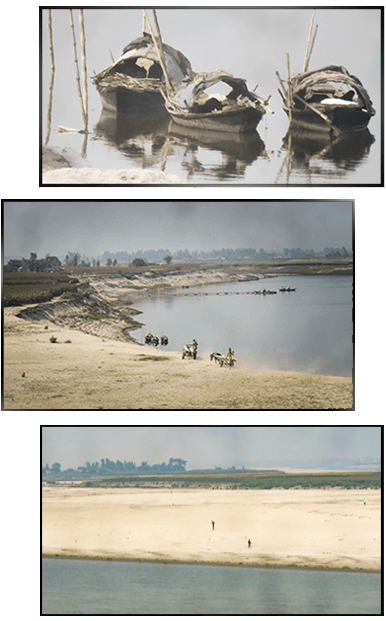
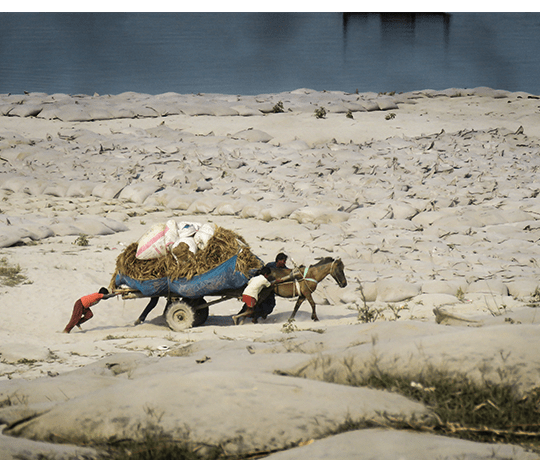
Gaibandha, located in the northern part of Bangladesh, is a disaster-prone district that faces recurring natural calamities such as floods and riverbank erosion, exacerbated by climate change. These disasters severely disrupt daily life, making the lives of local residents increasingly vulnerable. Additionally, cold spells, droughts, and heavy rainfall often lead to widespread joblessness.
Nearly 80% of the population relies on farming and manual labour in the agricultural sector, which is only viable for 7-8 months a year. Due to insufficient agricultural employment, many people are left unemployed or are forced to migrate to cities in search of work. Confronted with these hardships, some resort to harmful social practices, including child marriage, dowry, polygamy, divorce, and physical abuse, which further exacerbate the challenges faced by women and children.
Combat Unemployment, Drug Addiction, and Road Fatalities
Youth and women in this era of globalisation often face significant unemployment challenges. In this region, one of the most pressing issues is that unemployed youth and adolescents frequently turn to drug addiction as a means of coping with depression. Outside the agricultural sector, job opportunities remain scarce, with transportation emerging as one of the few available alternatives.
Many young individuals are drawn to driving unsafe vehicles, such as homemade battery vans, easy bikes, and Bhatbhatis (roofless three-wheelers powered by shallow-pump engines), which are responsible for a high number of road fatalities in rural areas. While these vehicles may seem easier to operate and provide quick financial relief, the lack of proper driving knowledge and experience significantly increases the risk of accidents and fatalities.
The persistent issues of unemployment and limited income often lead youth to drug addiction, which severely impacts their social lives. Consequently, many young people become involved in criminal activities such as theft, robbery, snatching, and other unlawful behaviour.
Download Organisational Profile.pdfHuman Resource
• Sustainable HR & Entrepreneurship Development
• Education through Blended Learning with ICTs
• Empowering Differently-abled Individuals
Livelihoods
• Sustainable Livelihoods in Changing Climate
• Social and Natural Disaster Preparedness and Management
Gender and Good Governance
• Gender Sensitive Environment for Womenâs Economic Empowerment
• Building a Child Safe and Secured Environment by Ensuring Child Rights
Health & Safety
• Improving Health, Nutrition
• Eliminating Drug Addiction
• Reducing Road Fatalities
Idea Generation
• Research and Innovation
• Social Enterprise
Life in River Basins
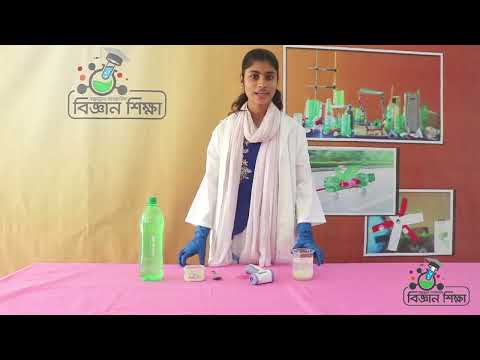
Village Science Workshop
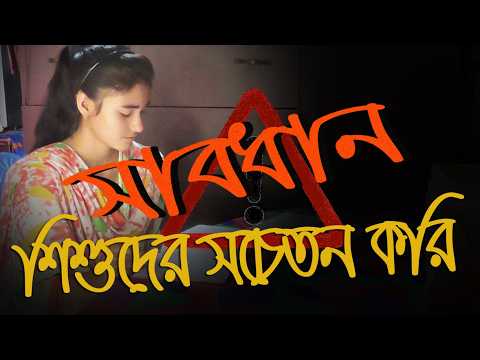
Awareness on Child Abuse
Reaction of water with lime
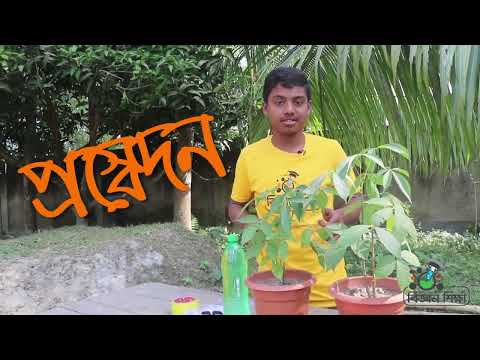
Transpiration process in plants
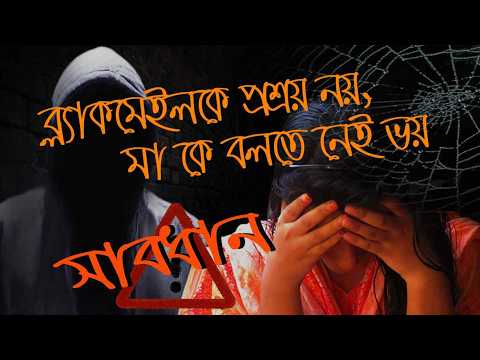
Awareness about Child Abuse through Blackmail
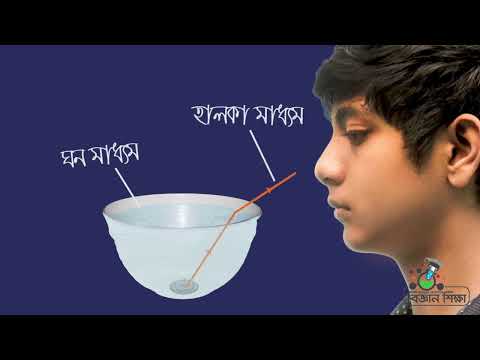
Refraction of light
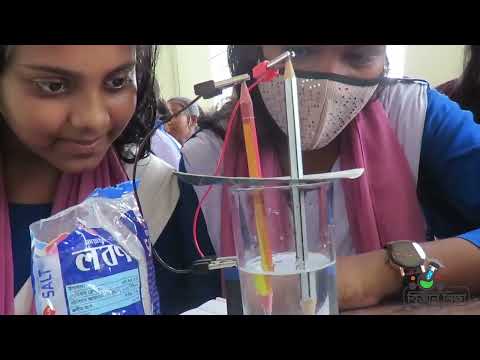
Practical Exercise in Electrolysis
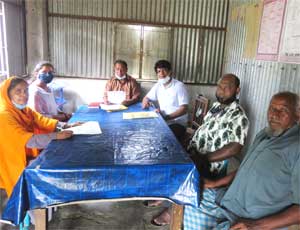
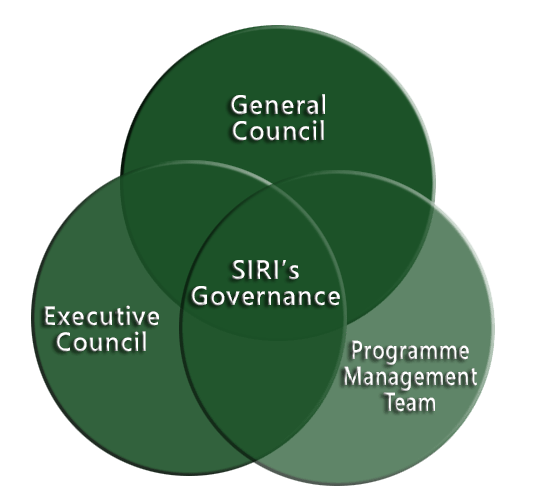
General Council (GC)
The highest authority of the organisation, SIRI, is the General Council (GC), which consists of 21 community members from various levels of society. The GC typically attends the Annual General Meeting (AGM) at least once a year, where they approve various decisions, the budget, and the audit report from the previous year. They also prepare an action plan for the upcoming year. The members of the General Council are actively involved in overseeing different social development activities initiated by the organisation.
Executive Council (EC)
The Executive Council of SIRI is a female-led board, currently consisting of 4 women and 3 men, out of a total of 7 members elected by the General Council (GC). As per SIRIâs constitution, the board is elected every three years. The Executive Council typically holds meetings three times a year, except in emergencies. The Council provides necessary guidance to the Programme Management Team (PMT) on overall programme and financial management, policy formulation, fundraising initiatives, outcome monitoring, project implementation, financial oversight, and maintaining communication with donor organisations as required. The President serves as the head of the organisation, while the General Secretary of the Executive Council serves as the Executive Director (ED) among the organisational staff. The Executive Council reports to the General Council.
Programme Management Team (PMT)
The Programme Management Team (PMT) consists of five members (currently, 3 women and 2 men), including the Executive Director. The PMT is responsible for making critical decisions and providing direction to the programmes, projects, and finance teams. The PMT oversees community issues, project support, project outcomes, and sets guidelines for implementing projects. The Executive Director reports to the Executive Council, which provides updates on organisational development at every EC meeting.
Thematic Clarity in Integrated Governance
We strive to turn their dreams into reality.